The best lightweight curtains for living room applications include sheer linen, cotton voile, and silk organza fabrics weighing between 40 GSM and 120 GSM. Sarelli Interiors Textiles recommends these specific natural fibers because the materials filter harsh ultraviolet light while maintaining visible light transmission rates above 60 percent.
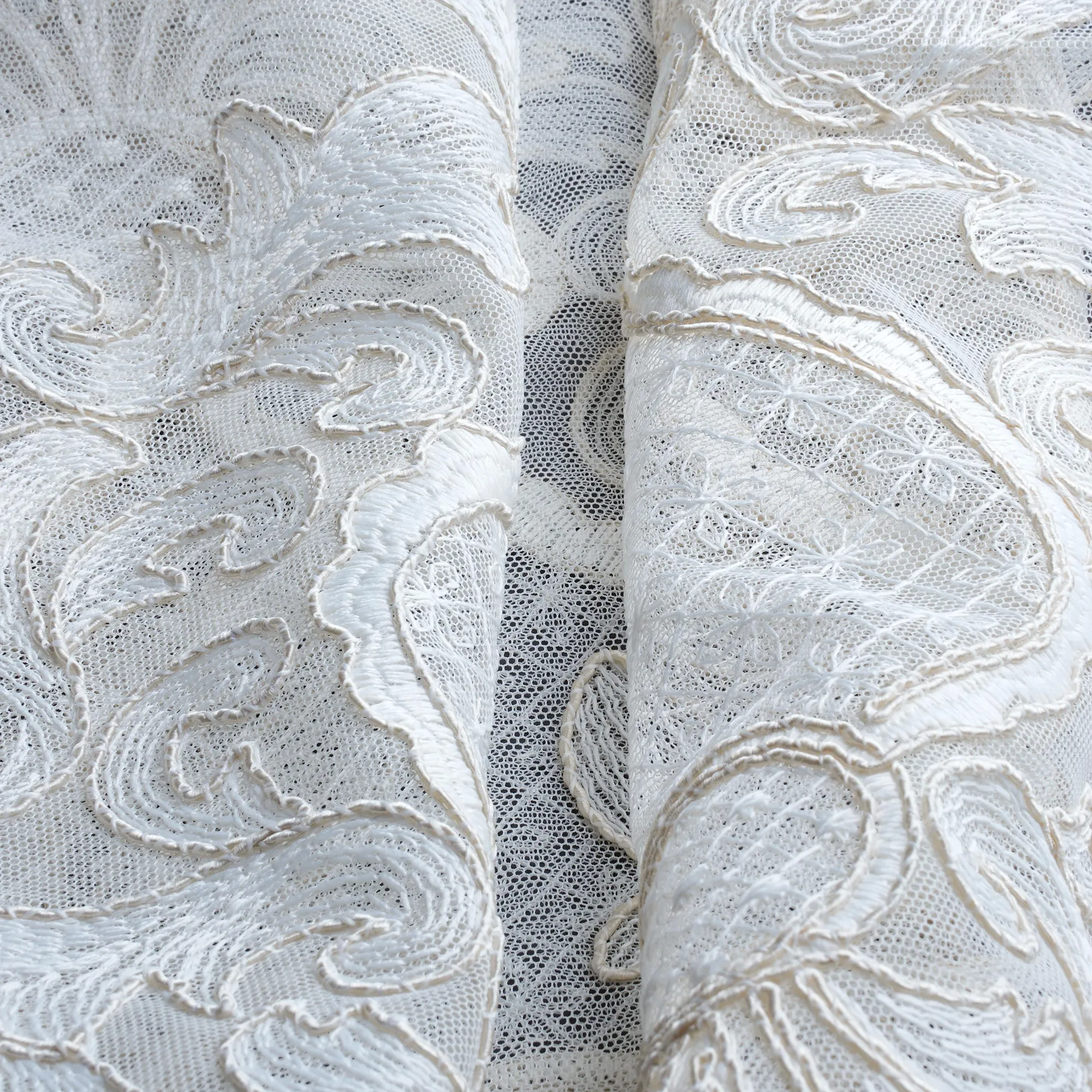
Linen and linen-blend sheer fabrics
Linen sheer fabrics offer high tensile strength and distinct slub textures. Pure linen curtain panels woven at 80 GSM to 100 GSM provide moderate privacy during daylight hours. Sarelli Interiors Textiles produces linen blends containing 15 percent to 20 percent polyester to reduce wrinkling. The polyester addition decreases the post-wash shrinkage rate from 5 percent to 2 percent. Homeowners selecting lightweight curtains for living room windows often choose linen because the flax fibers resist pilling over a standard 10-year lifespan. Sarelli Interiors Textiles utilizes 40 lea yarn to construct sheer linen panels. The 40 lea yarn thickness ensures the fabric maintains structural integrity while allowing air circulation. Buyers reviewing Fabrics Composition data will find that European flax provides the highest durability for sheer window treatments.
Cotton voile and batiste fabrics
Cotton voile fabrics feature a crisp drape and a smooth surface texture. Manufacturers weave cotton voile using highly twisted yarns to achieve a fabric weight of 40 GSM to 60 GSM. Cotton batiste fabrics weigh slightly more at 70 GSM to 90 GSM. Batiste materials feature an opaque finish compared to translucent voile. Sarelli Interiors Textiles sources long-staple Egyptian cotton for these textiles to ensure the curtain panels withstand 50 machine washing cycles without fiber degradation. The mercerization process applied to the cotton fibers increases the dye absorption rate by 25 percent. The increased dye absorption yields vibrant colors that achieve a Grade 4 rating on the blue wool lightfastness scale. Clients can review these specific Production Methods to understand the longevity of cotton sheer panels.
Silk organza and chiffon fabrics
Silk organza fabrics deliver a stiff drape and a high-sheen finish. Silk organza typically measures 8 momme to 12 momme, translating to 35 grams per square meter to 50 grams per square meter. The stiff structure allows silk organza curtains to hold precise pinch pleats. Silk chiffon fabrics weigh between 4 momme and 6 momme. Chiffon provides a fluid drape that pools softly on the floor. Sarelli Interiors Textiles recommends lining silk fabrics or installing ultraviolet-blocking window films because raw silk fibers degrade after 500 hours of direct sunlight exposure. Silk fabrics require dry cleaning to prevent the protein fibers from shrinking and losing their natural luster. The complete Sarelli Fabrics catalog details the specific care requirements for all silk window treatments.
Fabric weight directly determines light transmission and drape behavior for living room window treatments. Sarelli Interiors Textiles categorizes lightweight curtain fabrics strictly within the 20 GSM to 120 GSM range. Fabrics exceeding 120 GSM fall into the medium-weight category and block more than 50 percent of incoming natural light.
| Fabric Type | GSM Range | Light Transmission | Expected Lifespan |
|---|---|---|---|
| Silk Chiffon | 15-30 GSM | 85% – 90% | 5-7 years |
| Cotton Voile | 40-60 GSM | 75% – 80% | 8-10 years |
| Sheer Linen | 80-100 GSM | 60% – 70% | 10-15 years |
The grams per square meter metric dictates how the textile hangs from the curtain rod. A 40 GSM cotton voile requires a 300 percent fullness ratio to look substantial on a window. A 100 GSM sheer linen requires only a 200 percent fullness ratio to achieve the same visual volume. Designers calculating fabric requirements for a 2-meter wide window must order 6 meters of 40 GSM voile or 4 meters of 100 GSM linen. Sarelli Interiors Textiles tests all lightweight fabrics using a drape meter to ensure the materials fall in uniform folds. The drape coefficient for a 60 GSM cotton voile typically measures 0.45, indicating a highly flexible fabric suitable for wave heading styles. Customers browsing the Fabrics Collection can filter options by exact GSM specifications.
Weave types and drape characteristics
The mechanical weave structure dictates how lightweight curtain fabrics behave when suspended from drapery hardware. Sarelli Interiors Textiles utilizes specific loom configurations to produce sheer textiles that resist stretching under the fabric’s own weight.
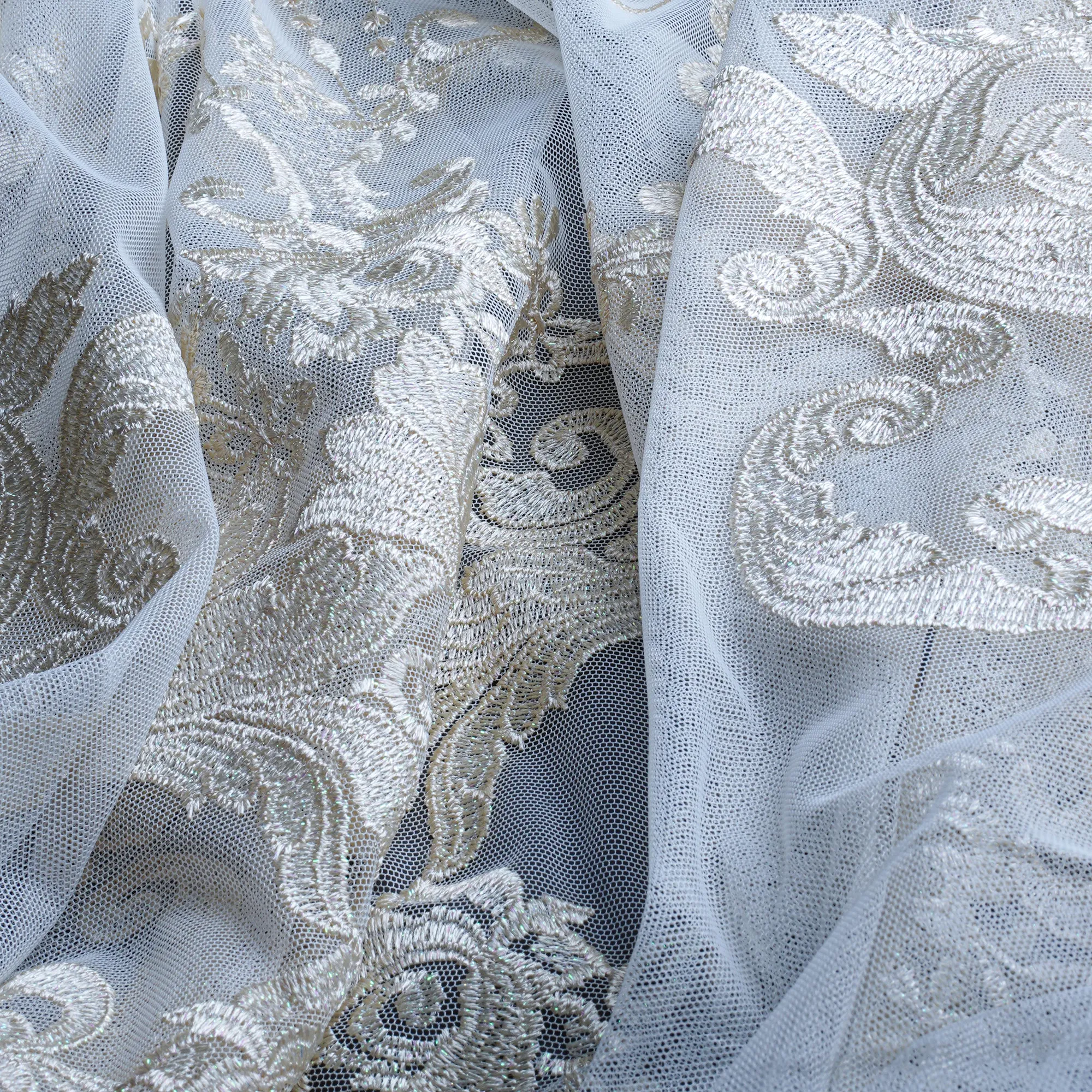
Plain weave versus leno weave structures
Plain weave structures interlace warp and weft threads in a standard one-over-one pattern. Plain weave cotton batiste provides a uniform surface that diffuses light evenly across the living room. Leno weave structures twist two warp yarns around each weft yarn. The leno weave technique creates open, lace-like fabrics that will not unravel. Sarelli Interiors Textiles employs leno weaving for synthetic sheer fabrics to maximize airflow while maintaining structural stability. Leno woven fabrics withstand a tensile load of 15 kilograms per square centimeter before tearing. The twisted warp yarns lock the weft yarns in place, preventing the fabric from distorting when homeowners open and close the curtains daily. The Sheer Fabrics Production guidelines explain how loom tension affects the final drape of leno woven textiles.
Layering light weight curtains for living room privacy
Layering light weight curtains for living room windows involves installing a sheer base layer behind a heavier secondary drape. This dual-track system provides daytime light filtration through the sheer fabric and nighttime privacy through the heavy drape.
Sarelli Interiors Textiles recommends pairing an 80 GSM sheer linen base with a 250 GSM velvet or jacquard over-drape. The sheer base layer requires a clearance of 50 millimeters from the window glass to prevent condensation damage. The heavy over-drape requires an additional 100 millimeters of clearance from the sheer layer to allow independent operation. Installers mounting dual-track hardware must ensure the ceiling or wall brackets can support a combined fabric weight of 5 kilograms per linear meter. Sarelli Interiors Textiles specifies 16-millimeter aluminum tracks for the sheer layer and 28-millimeter aluminum tracks for the heavy drape. The sheer curtains attach to the track using micro-gliders spaced every 80 millimeters to ensure smooth operation. Clients visiting the Sarelli Showroom can view these layered configurations in person. Designers seeking inspiration for dual-track installations can review completed Projects or reach out directly via the Contact page for technical hardware specifications.