The fabric weight definition refers to the physical mass of a textile measured in grams per square meter (GSM), while fabric density measures the total number of individual yarns woven into one square inch of that same textile. Sarelli Interiors Textiles uses both metrics to determine material durability for residential projects.
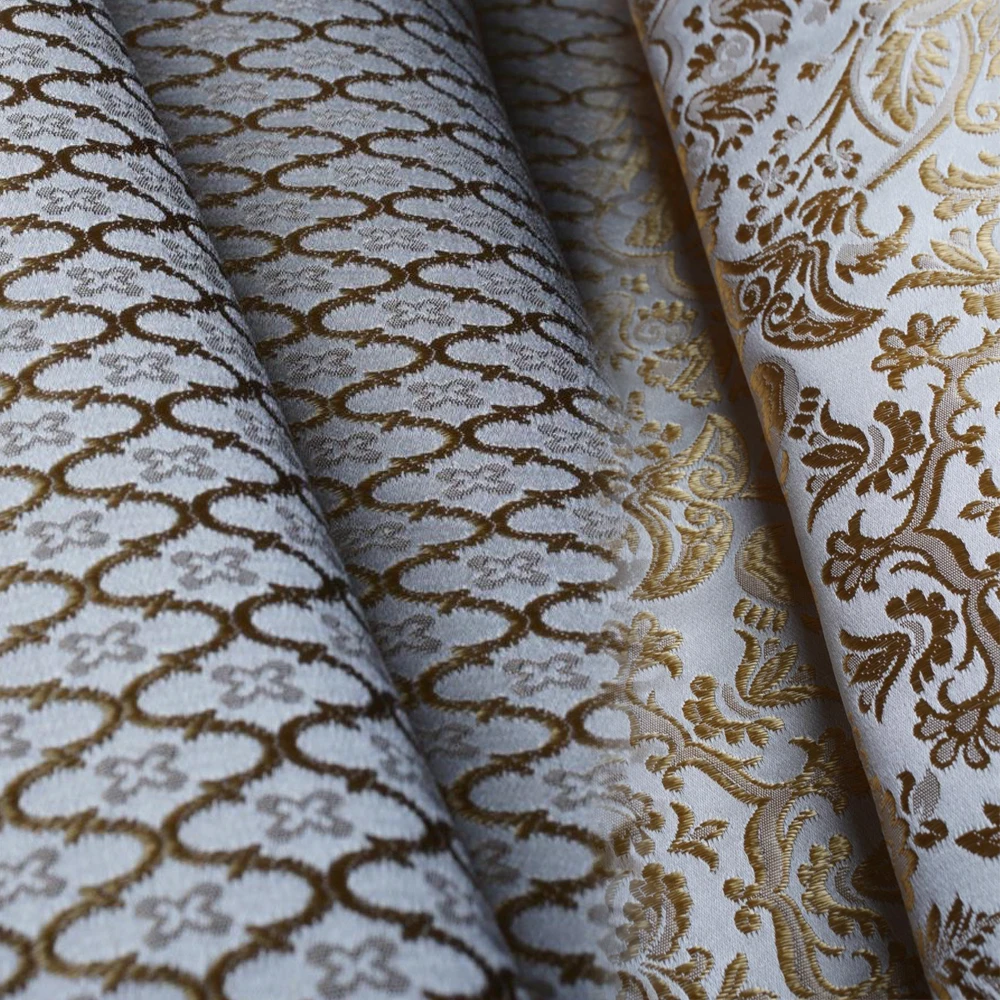
Textile engineers calculate the weight of fabric by weighing a standardized 100-centimeter by 100-centimeter swatch on a calibrated digital scale. Fabric density requires technicians to count the exact number of warp threads (ends per inch) and weft threads (picks per inch) using a specialized magnifying loupe. A 150 GSM linen textile can feature a low density of 40 threads per inch or a high density of 120 threads per inch depending on the thickness of the individual linen yarns.
What does fabric weight mean for Sarelli Fabrics?
Clients frequently ask what does fabric weight mean when selecting materials from the Sarelli Fabrics portfolio. Fabric weight quantifies the exact amount of raw fiber contained within a specific surface area. Textile manufacturers express the fabric weight measurement using grams per square meter (GSM) for standard textiles, ounces per square yard (oz/yd²) for heavy denims, and momme (mm) for silk products. One momme of silk equals 4.340 grams per square meter. Sarelli Interiors Textiles classifies any textile measuring below 150 GSM as lightweight. Textiles measuring between 150 GSM and 350 GSM fall into the medium-weight category. Heavyweight textiles exceed 350 GSM and often reach 800 GSM for commercial upholstery applications.
Fabric density metrics within Fabrics Composition
Fabric density dictates the physical closeness of yarns within the Fabrics Composition. Weavers calculate total fabric density by adding the ends per inch (EPI) to the picks per inch (PPI). A standard cotton percale fabric contains 100 EPI and 100 PPI, creating a total density of 200 threads per inch. High-density textiles block more light and resist abrasion better than low-density fabrics of the exact same weight. Sarelli Interiors Textiles specifies 300-thread-count cotton sateen for luxury drapery lining because the tight weave prevents ultraviolet light degradation over a 10-year lifespan.
Fabric weights explained across interior design applications
Fabric weights explained in practical terms require matching the grams per square meter (GSM) to the specific physical demands of window treatments or furniture upholstery. Sarelli Interiors Textiles assigns 80 GSM silk organza to decorative sheer panels while reserving 600 GSM wool bouclé for high-traffic seating.
The relationship between fabric mass and structural integrity dictates the manufacturing process. Production Methods for lightweight textiles require high-speed rapier looms operating at 600 picks per minute to handle delicate 20-denier yarns. Heavyweight upholstery production slows the loom speed to 250 picks per minute to accommodate thick 800-denier chenille yarns without causing yarn breakage.
| Interior Application | Standard Weight (GSM) | Typical Density (Thread Count) | Example Material | Martindale Abrasion Rating |
|---|---|---|---|---|
| Sheer Window Curtains | 30 GSM to 80 GSM | 40 to 80 threads per inch | Silk Chiffon | Not applicable |
| Lightweight Drapery Panels | 100 GSM to 150 GSM | 100 to 150 threads per inch | Linen Voile | 10,000 cycles |
| Medium Residential Upholstery | 250 GSM to 350 GSM | 150 to 200 threads per inch | Cotton Canvas | 25,000 cycles |
| Heavy Commercial Upholstery | 400 GSM to 800 GSM | 80 to 120 threads per inch (thick yarn) | Wool Tweed | 50,000+ cycles |
Sheer Fabrics Production and lightweight material specifications
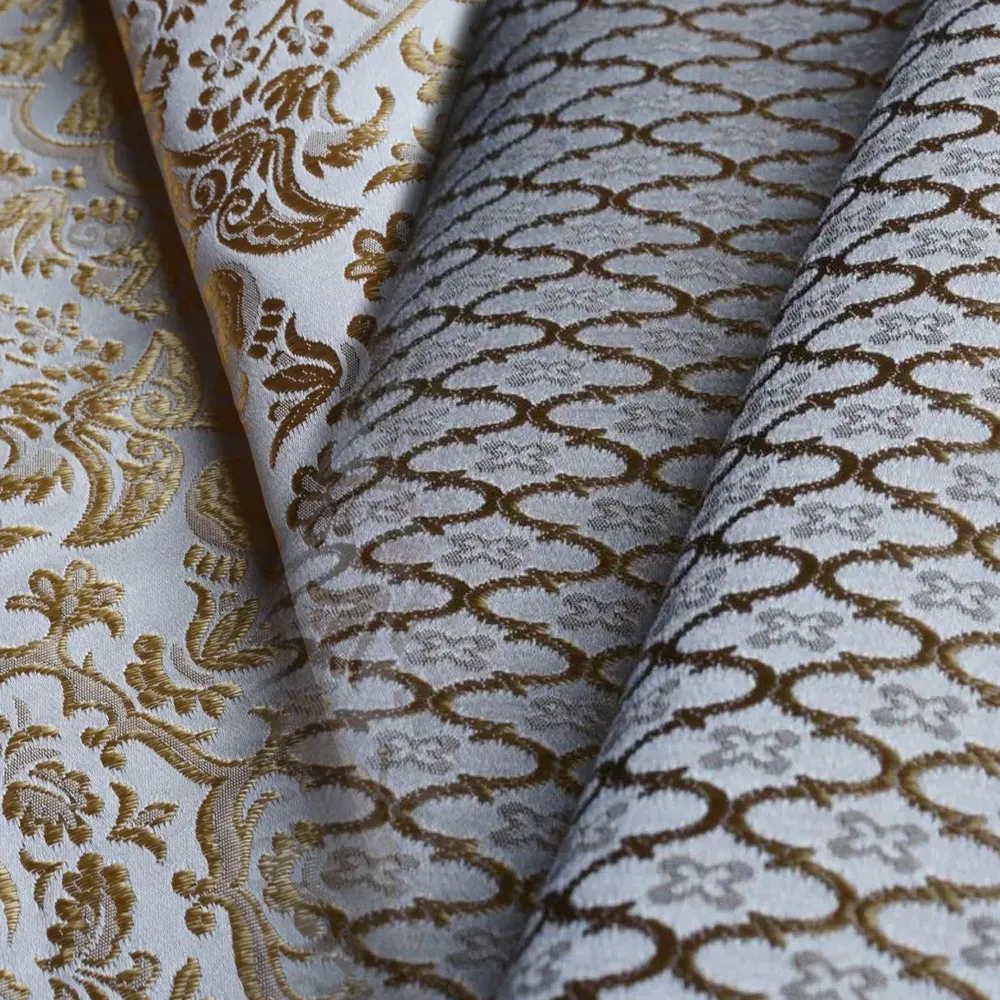
Sheer Fabrics Production focuses entirely on textiles measuring under 100 GSM. Sarelli Interiors Textiles manufactures sheer polyester batiste at exactly 65 GSM to ensure maximum light transmission while maintaining a stable drape. A 65 GSM polyester sheer fabric allows 75 percent of visible sunlight to pass through the window treatment. Drapery installers must use specialized micro-tex sewing machine needles (size 60/8) to prevent puckering when fabricating curtains from these low-weight materials.
Evaluating the weight of fabric for the Fabrics Collection
The Fabrics Collection requires strict quality control protocols to verify the weight of fabric before distribution. Sarelli quality assurance inspectors cut three 10-centimeter circular samples from every 50-meter fabric roll. Sarelli inspectors weigh the fabric samples on a laboratory balance scale accurate to 0.001 grams. If a nominal 300 GSM velvet fabric weighs less than 285 GSM or more than 315 GSM, the factory rejects the entire 50-meter roll. Consistent fabric weight ensures that custom drapery panels hang perfectly straight without flaring at the hemline.
Testing fabric density for commercial Projects
Commercial Projects demand rigorous testing of both fabric weight and fabric density to meet European fire safety regulations. A 450 GSM Trevira CS polyester fabric with a high density of 180 threads per inch passes the EN 13773 Class 1 flammability standard because the tight weave restricts oxygen flow to the flame. Sarelli Interiors Textiles provides certified testing documents for all commercial textiles. Interior designers can review these technical specifications by visiting the Sarelli Showroom in person. Sarelli showroom representatives maintain a database of over 1,200 fabric swatches categorized by exact GSM measurements and Martindale abrasion scores. Clients can request specific fabric weight data sheets directly through the Sarelli Contact department.