The best lightweight summer curtains consist of open-weave linen, cotton voile, and sheer polyester blends weighing between 50 and 120 grams per square meter (GSM). These specific textile compositions allow maximum air circulation while blocking 40 to 60 percent of direct ultraviolet radiation during peak daylight hours.
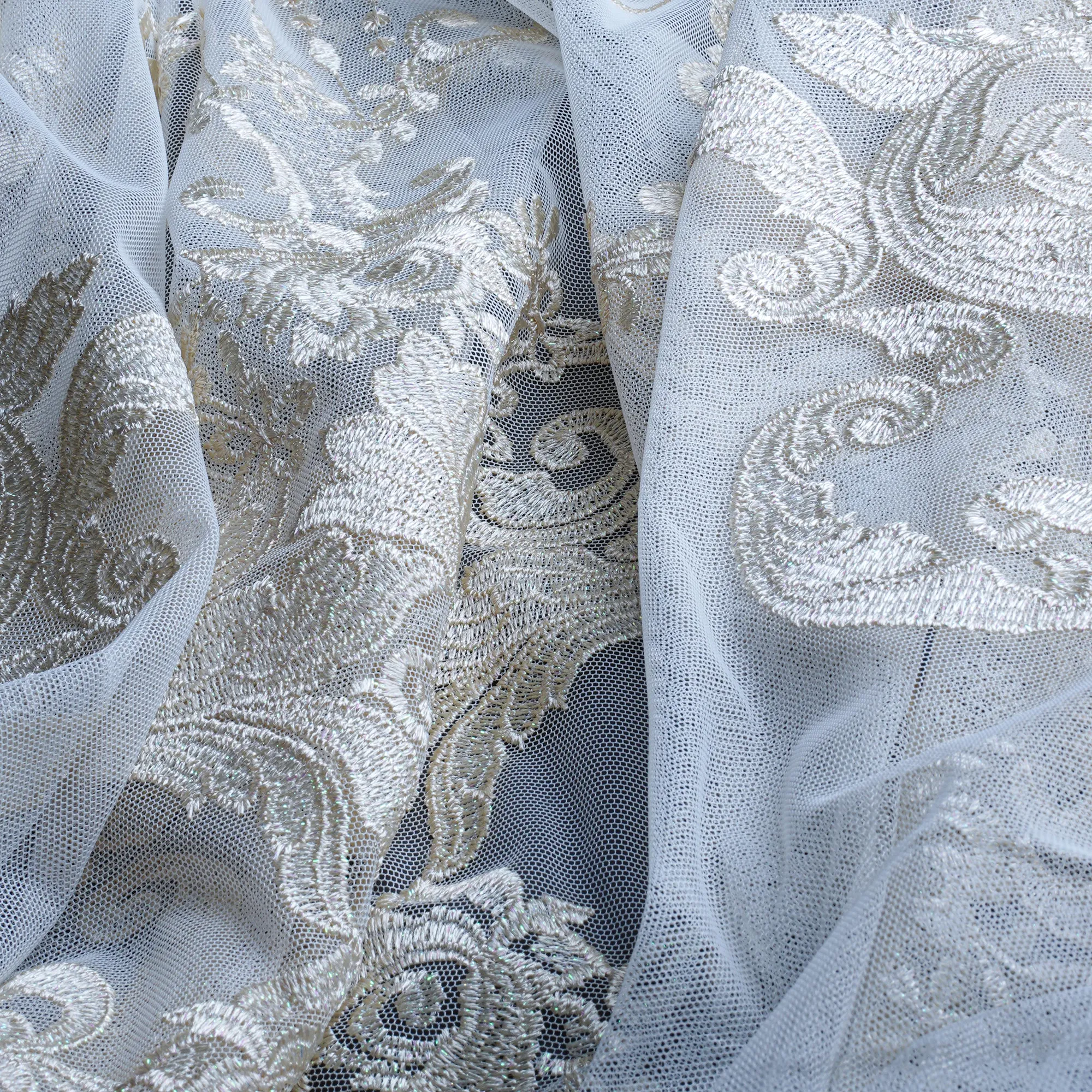
Linen and cotton voile fabrics provide maximum summer airflow
Linen fibers absorb up to 20 percent of their weight in moisture before feeling damp. Sarelli Interiors Textiles weaves summer linen curtains with a thread count of 60 to 80 threads per inch. This specific thread density creates microscopic gaps measuring 0.5 to 1.0 millimeters. The 0.5 to 1.0 millimeter gaps permit cross-ventilation when homeowners open windows. Cotton voile offers similar breathability. Cotton voile curtains weigh exactly 70 GSM. The 70 GSM weight ensures the fabric moves easily with gentle indoor air currents. Customers reviewing the luxury Italian fabrics frequently select 100 percent natural fibers for south-facing rooms. South-facing rooms receive up to 12 hours of direct sunlight during July and August.
Natural cotton fibers possess a thermal conductivity rate of 0.04 Watts per meter-Kelvin. The low 0.04 Watts per meter-Kelvin thermal conductivity means cotton fabric resists transferring exterior window heat into the interior room. Sarelli Interiors Textiles sources long-staple Egyptian cotton for all voile production detailed in the Fabrics Composition guide. Long-staple Egyptian cotton fibers measure 32 to 38 millimeters in length. The 32 to 38 millimeter fiber length produces a smoother yarn surface. A smoother yarn surface reduces friction and prevents dust accumulation on the curtain panels during dry summer months.
Premium lightweight curtains for summer require specific fabric weights
Buyers browsing Sarelli Fabrics seeking premium lightweight curtains for summer must evaluate the exact fabric weight. Sarelli Interiors Textiles defines lightweight summer drapery as any textile weighing under 150 GSM. Silk organza curtains weigh 30 to 50 GSM. Silk organza requires a protective backing because raw silk degrades after 400 hours of direct ultraviolet exposure. Homeowners looking for durability choose sheer polyester blends. Sheer polyester blends weigh 80 to 110 GSM. The 80 to 110 GSM polyester fabrics withstand 2,000 hours of direct sunlight before showing visible fading.
Sarelli Interiors Textiles produces these lightweight options using specialized rapier looms. The rapier looms operate at 400 picks per minute during Sheer Fabrics Production. High-speed weaving creates a uniform tension across the entire curtain panel. Uniform tension prevents the lightweight fabric from sagging in high-humidity environments. Sarelli Interiors Textiles categorizes summer fabrics by weight and light transmission percentages.
| Fabric Material | Weight (GSM) | Light Transmission Percentage | Ideal Summer Application |
|---|---|---|---|
| Cotton Voile | 70 GSM | 65 percent | Living rooms requiring high airflow |
| Open-Weave Linen | 110 GSM | 45 percent | Bedrooms needing moderate sun filtering |
| Silk Organza | 40 GSM | 80 percent | North-facing decorative windows |
| Polyester Sheer | 90 GSM | 55 percent | High-UV exposure sunrooms |
The data in the table demonstrates that silk organza provides the highest light transmission at 80 percent. The 80 percent light transmission makes silk organza unsuitable for blocking intense afternoon heat. Sarelli Interiors Textiles recommends pairing 40 GSM silk organza with heavier secondary drapes. Pairing multiple fabrics allows homeowners to adjust light levels throughout the 14-hour summer daylight cycle.
Light curtain colours reflect solar radiation and reduce interior heat
Curtain color directly impacts indoor temperature control. White and pale ivory curtains reflect 60 to 80 percent of incoming solar radiation. Dark navy or black curtains absorb 70 to 90 percent of solar heat. Absorbed solar heat transfers directly into the living space. Sarelli Interiors Textiles recommends unbleached titanium dioxide dyes for summer window treatments. Titanium dioxide particles embedded in the fabric yarn scatter infrared light waves. Scattering infrared light waves reduces the ambient room temperature by 2 to 4 degrees Celsius compared to bare windows. Clients visiting the Showroom can test the thermal reflection properties of different fabric dyes using infrared heat lamps. The heat lamp testing demonstrates that pale grey linen blocks 15 percent more thermal energy than dark grey linen of the exact same 100 GSM weight.
Sarelli Interiors Textiles applies a specialized calendering process to light-colored summer fabrics. The calendering process passes the woven fabric between heated steel rollers at 150 degrees Celsius. The 150-degree Celsius rollers flatten the individual yarns. Flattened yarns create a smoother fabric surface. A smoother fabric surface increases the total solar reflectance index (SRI) of the curtain by 12 percent. The 12 percent SRI increase significantly improves the cooling efficiency of the window treatment.
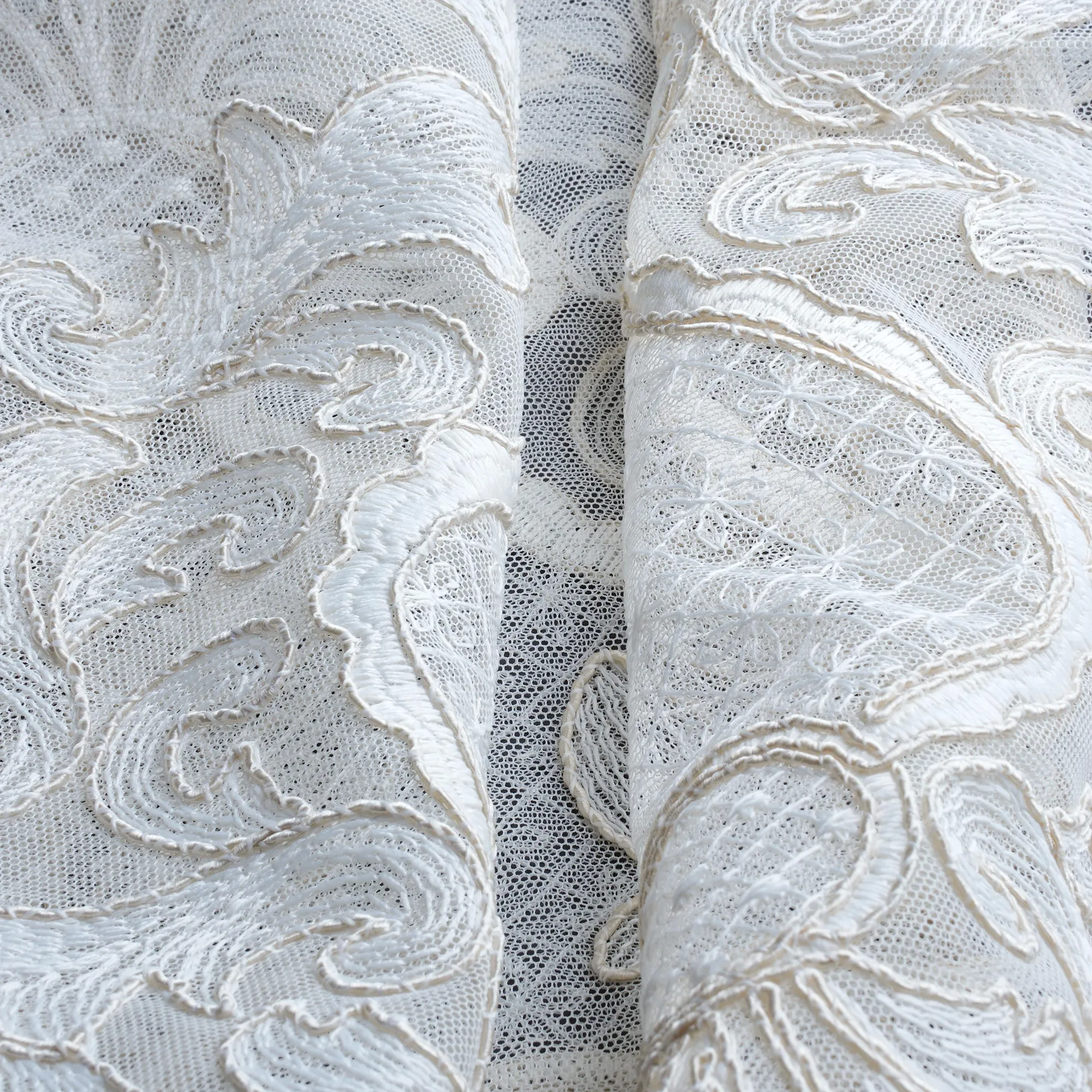
The best lightweight curtains 2024 feature UV-resistant synthetic blends
Interior designers specifying the best lightweight curtains 2024 prioritize ultraviolet resistance alongside visual transparency. Contemporary synthetic sheer fabrics contain extruded polyester yarns treated with hindered amine light stabilizers (HALS). The HALS chemical treatment prevents the polyester polymer chains from breaking down under intense summer sunlight. Sarelli Interiors Textiles incorporates HALS technology into 85 percent of the sheer synthetic fabrics manufactured this year. These stabilized polyester curtains maintain structural integrity for 10 to 12 years in continuous sun exposure.
Commercial architects frequently request these stabilized textiles for large-scale hospitality Projects. A typical hotel lobby requires 500 square meters of sheer drapery. The 500 square meters of sheer drapery must filter harsh glare while maintaining exterior views. Sarelli Interiors Textiles details the exact chemical extrusion processes on the Production Methods page. Customers requiring custom dimensions for large summer windows can submit exact measurements through the Contact portal. Custom sheer curtain orders require a lead time of 14 to 21 business days for cutting and hemming. Sarelli Interiors Textiles sews a double-folded 10-centimeter bottom hem on all sheer polyester panels. The 10-centimeter bottom hem adds exactly 45 grams of localized weight to the base of the curtain. The 45 grams of localized weight ensures the lightweight fabric hangs vertically and resists excessive billowing when ceiling fans operate at high speeds.