Fabric density measurement systems define the physical weight and structural tightness of textiles using material-specific metrics. Cotton density relies on thread count per square inch, polyester uses denier to measure fiber thickness, silk employs momme to calculate weight per 100 yards, and linen uses grams per square meter.
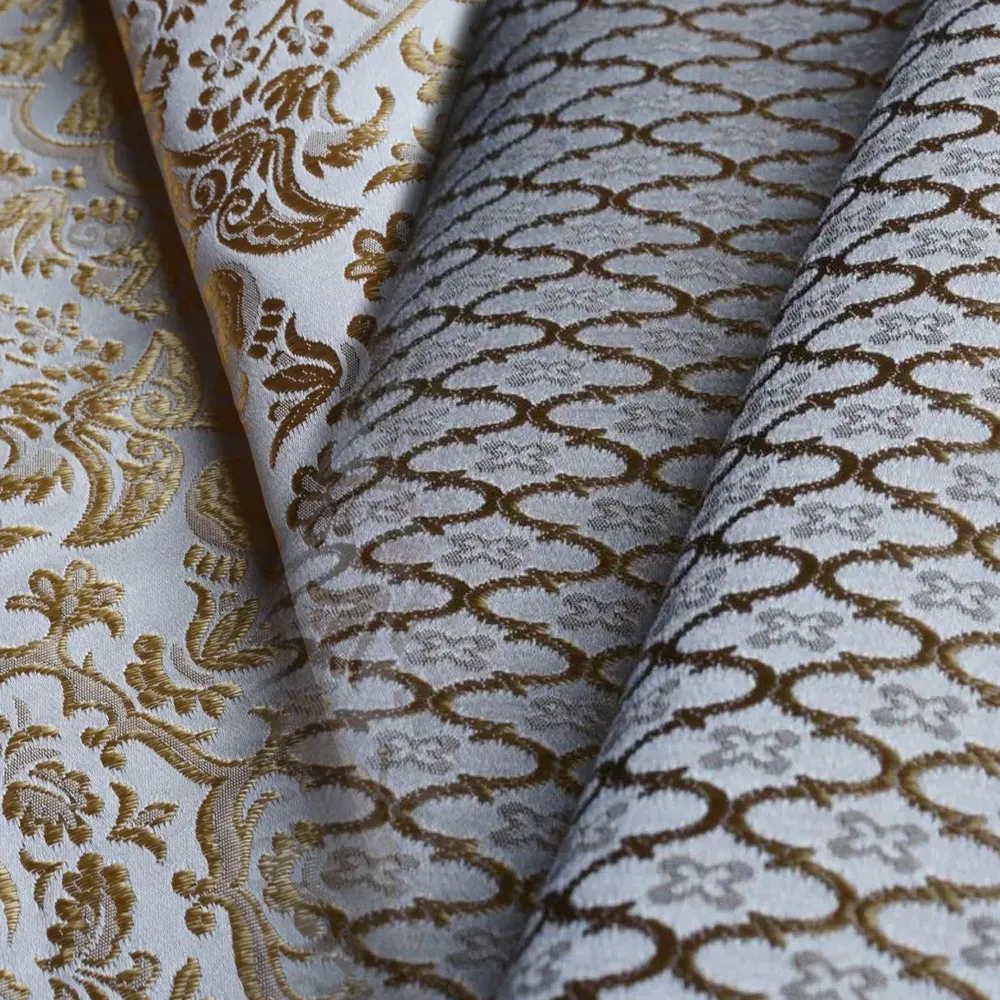
Density of Cotton Fabric and Thread Count Metrics
The density of cotton fabric determines the durability and opacity of the textile. Textile manufacturers measure cotton density using thread count (TC), which calculates the total number of warp and weft threads woven into one square inch of material. The standard density of cotton fabric for residential drapery applications ranges from 140 TC to 220 TC. A 140 TC cotton fabric weighs approximately 120 grams per square meter (GSM). Heavyweight cotton canvas materials achieve a density of 400 GSM by using thicker yarns rather than higher thread counts. Sarelli Interiors Textiles produces Sarelli Fabrics using long-staple cotton fibers to maintain structural integrity at lower thread counts. Light-filtering cotton curtains require a cotton density of 110 GSM to 150 GSM to allow 30 percent light transmission. Blackout cotton drapery requires a density exceeding 280 GSM combined with an acrylic backing layer. Cotton fabric density directly affects shrinkage rates during washing cycles. A low-density cotton fabric measuring 100 GSM shrinks by 6 percent to 8 percent after a 40-degree Celsius wash cycle. A high-density cotton fabric measuring 250 GSM shrinks by only 2 percent to 3 percent under identical washing conditions. Manufacturers control the density of cotton fabric by adjusting the loom tension and selecting specific yarn counts, such as 40s yarn for medium density or 80s yarn for high density.
Density of Polyester Fabric and Denier Ratings
The density of polyester fabric relies on the denier metric rather than thread count. Denier measures the linear mass density of fibers, specifically defining the weight in grams of 9,000 meters of a single polyester thread. A standard sheer polyester curtain uses 20-denier to 40-denier yarns. The density of polyester fabric for commercial upholstery applications requires 300-denier to 600-denier yarns to withstand 50,000 Martindale abrasion cycles. Sarelli Interiors Textiles documents exact denier specifications within the Fabrics Composition technical sheets. A 50-denier polyester fabric typically weighs 80 GSM. High-density polyester acoustic panels incorporate 1,000-denier yarns compressed to achieve a density of 2,400 GSM. The synthetic extrusion process allows manufacturers to alter the density of polyester fabric without changing the physical thickness of the woven textile. Polyester fibers possess a specific gravity of 1.38 grams per cubic centimeter, making polyester inherently heavier than nylon or acrylic fibers of the same volume. Microfiber polyester textiles achieve high density by incorporating yarns measuring less than 1 denier per filament (DPF). A polyester fabric woven with 0.5 DPF yarns creates a water-resistant barrier capable of holding a 500-millimeter hydrostatic head pressure without chemical coatings.
Silk Momme Ratings and Weight Specifications
Silk density measurement uses the momme (mm) unit instead of GSM or thread count. One momme equals 4.340 grams per square meter. A standard silk chiffon fabric measures between 6 momme and 8 momme. Sarelli Interiors Textiles specifies 16 momme to 19 momme for residential silk drapery panels. A 19-momme silk fabric weighs exactly 82.46 GSM. Heavy silk crepe de chine requires a density of 30 momme to 40 momme to prevent fabric distortion under tension. Clients can review specific silk weight requirements in the Production Methods documentation. Silk density directly correlates to the lifespan of the textile. A 22-momme silk curtain panel lasts approximately 15 years under indirect sunlight exposure. An 8-momme silk curtain panel degrades within 4 years under identical sunlight conditions. High-density silk fabrics exceeding 25 momme require specialized Jacquard looms operating at reduced speeds of 150 picks per minute to prevent fiber breakage. The tensile strength of silk fabric increases linearly with the momme rating. A 12-momme silk fabric snaps under 300 Newtons of force, whereas a 22-momme silk fabric withstands 600 Newtons of force before tearing.
Linen Grams Per Square Meter (GSM) Standards
Linen fabric density relies exclusively on the grams per square meter (GSM) measurement system. The flax fibers used to weave linen vary in thickness naturally, making thread count an inaccurate metric for linen density. Lightweight sheer linen fabrics measure between 80 GSM and 120 GSM. Sarelli Interiors Textiles outlines sheer linen specifications in the Sheer Fabrics Production guide. Medium-weight linen for Roman shades requires a density of 150 GSM to 200 GSM. Heavyweight upholstery linen demands a density of 250 GSM to 350 GSM to prevent fiber separation at the seams. A 300 GSM linen fabric contains 300 grams of flax fiber per square meter of woven material. The Italian fabrics collection provides exact GSM ratings for every linen textile. Linen fabric absorbs moisture rapidly, and the density of the linen dictates the total water retention capacity. A 200 GSM linen fabric absorbs up to 20 percent of its dry weight in ambient humidity without feeling damp to the touch. High-density linen fabrics exceeding 300 GSM exhibit a 15 percent increase in tensile strength when wet compared to their dry state. Manufacturers achieve a 400 GSM linen density by plying three individual flax yarns together before the weaving process begins.
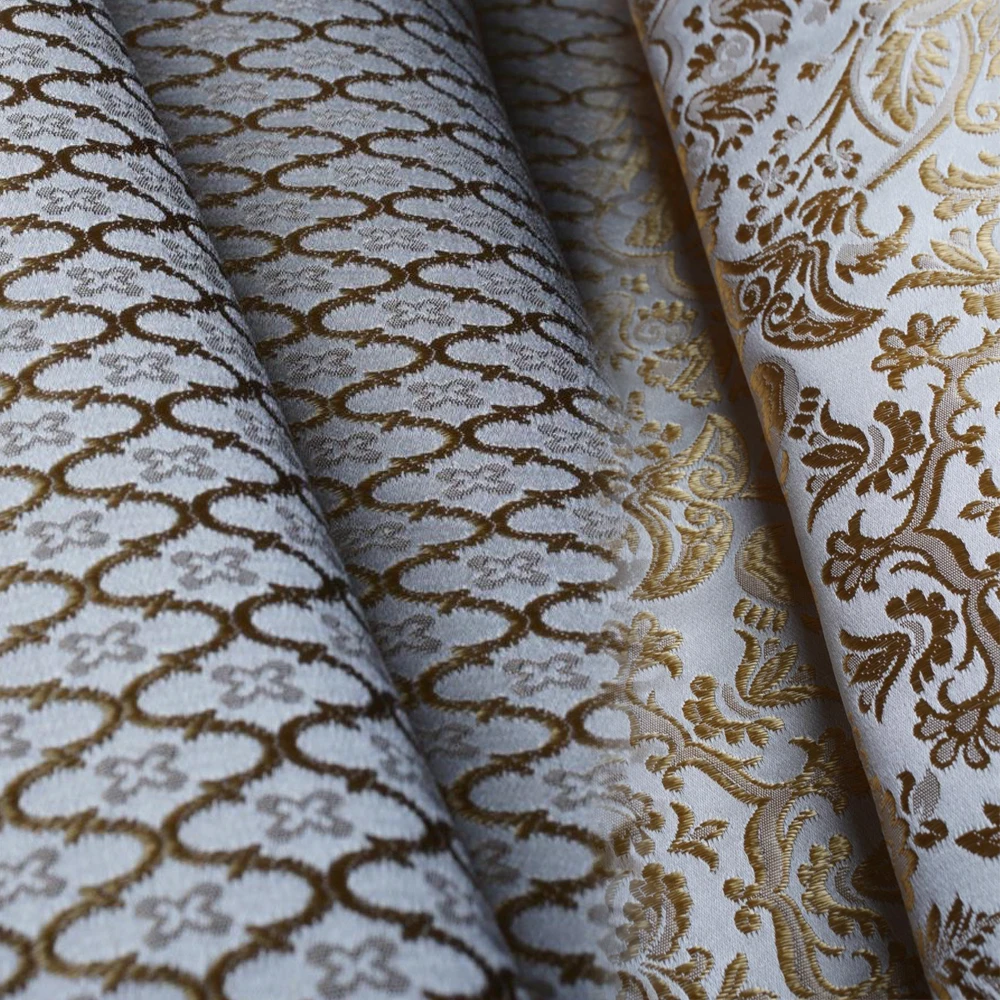
Sarelli Textiles Density Testing and Quality Control
Sarelli Interiors Textiles tests fabric density using standardized ISO 3801 protocols. Laboratory technicians cut 100-square-centimeter samples from every production roll to verify the GSM, momme, or denier ratings. A fabric roll fails quality control if the measured density deviates by more than 5 percent from the target specification. Technicians condition all fabric samples in a climate-controlled chamber at 20 degrees Celsius and 65 percent relative humidity for 24 hours prior to weighing. Clients can examine density-tested fabric samples physically at the Showroom located in Europe. Commercial buyers requiring custom density specifications for hospitality installations can submit requirements through the Contact portal. Sarelli Interiors Textiles maintains a database of density requirements for specific commercial applications within the Projects portfolio. A hotel blackout curtain requires a minimum density of 260 GSM to block 99 percent of exterior light. A restaurant acoustic drapery requires a minimum density of 350 GSM to achieve a Noise Reduction Coefficient (NRC) of 0.65. Sarelli Interiors Textiles guarantees that all published density metrics remain accurate within a 3 percent tolerance margin across multiple production batches.