Luxury curtain manufacturing process stages
The luxury curtain manufacturing process requires five distinct stages: fabric selection, precision cutting, lining application, heading construction, and hand-finishing. Sarelli Interiors Textiles allocates between 14 and 22 hours of manual labor per curtain pair to complete these five production phases for bespoke residential and commercial window treatments.
Stage 1: Fabric selection and inspection
The curtain production cycle begins with raw material inspection. Artisans examine Sarelli Fabrics over a backlit inspection table measuring 3 meters by 2 meters to identify weaving flaws, dye lot variations, or structural inconsistencies. Sarelli Interiors Textiles rejects any textile roll containing more than two defects per 50 linear meters. The Fabrics Composition dictates the specific handling requirements during the inspection phase. Silk taffeta weighing 120 grams per square meter (GSM) requires tension-free unrolling to prevent warp distortion across the 140-centimeter width. Heavyweight linen blends exceeding 400 GSM undergo a 24-hour acclimatization period in a climate-controlled workroom maintained at exactly 20 degrees Celsius and 50 percent relative humidity.
Stage 2: Fabric cutting and pattern matching
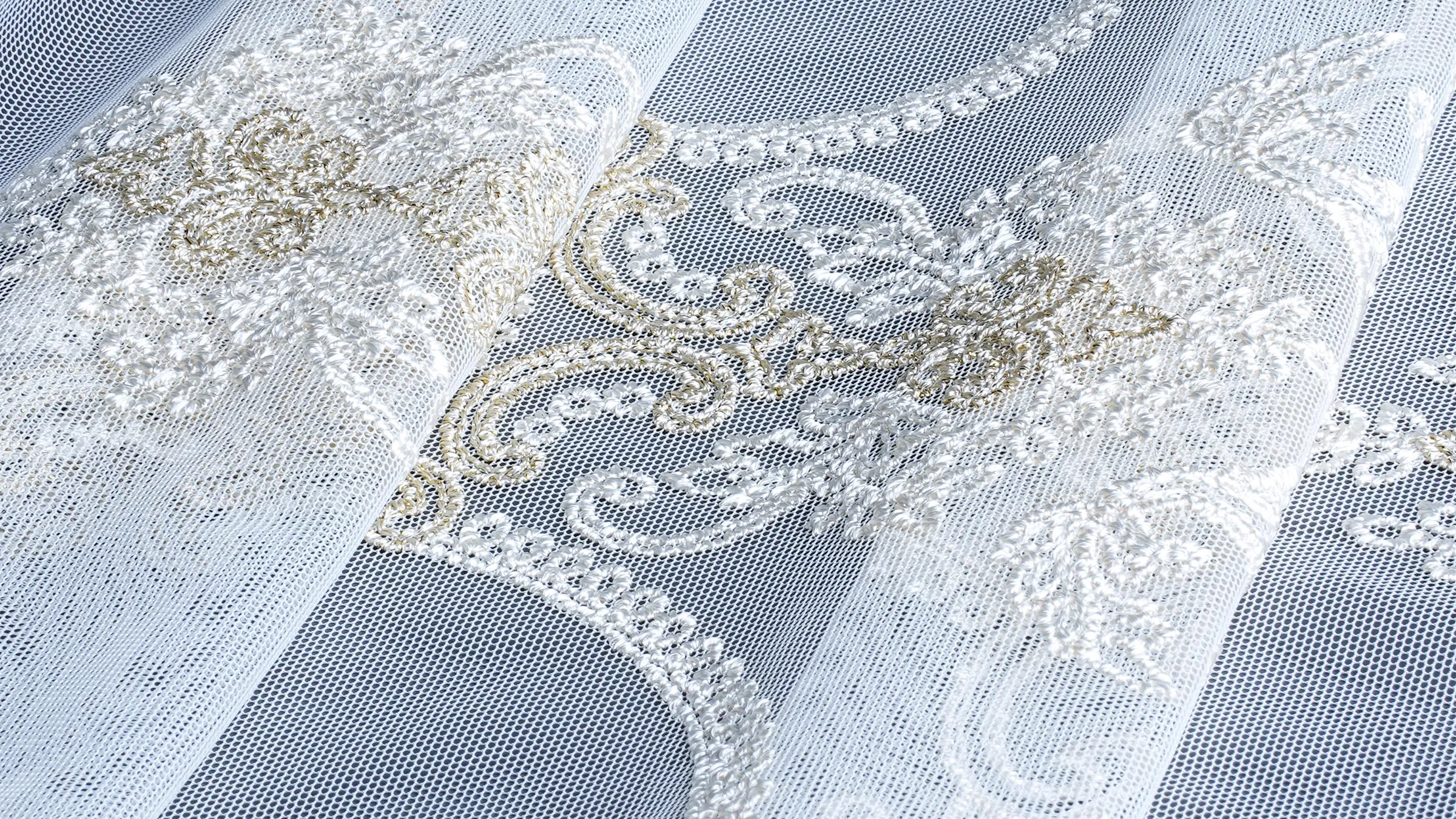
Precision cutting forms the structural foundation of curtain production. Cutters add a standard 30-centimeter allowance to the final finished drop length to accommodate bottom hems and top headings. Patterned textiles require exact motif alignment across all vertical seams to maintain visual continuity. Sarelli workroom staff pin the fabric panels together at 10-centimeter intervals before executing a lockstitch seam using industrial Juki sewing machines. The manual pinning technique ensures the pattern repeat matches within a strict 2-millimeter tolerance across a standard 140-centimeter fabric width.
Stage 3: Lining and interlining application
Luxury curtains production relies on a three-layer construction method to protect the face fabric from ultraviolet degradation and improve the overall drape. Sarelli artisans apply a 100 percent cotton sateen lining weighing 140 GSM to the reverse side of the main textile. For enhanced thermal insulation and acoustic dampening, makers insert a 250 GSM cotton bump interlining between the face fabric and the sateen lining. The Production Methods for interlined curtains require makers to lock-stitch the three layers together vertically every 30 centimeters across the entire width. The vertical lock-stitching technique prevents the heavy interlining material from sagging over a projected 10-year lifespan.
Stage 4: Heading construction and pleating
The heading dictates how the finished curtain hangs from the track or pole system. Sarelli workrooms reinforce the top edge of the curtain with a 10-centimeter or 15-centimeter woven buckram stiffener. Artisans calculate pleat spacing based on the exact track width and the specified fullness ratio. A standard double pinch pleat requires a 2.25 fullness ratio, meaning 225 centimeters of flat fabric yields exactly 100 centimeters of finished heading. Makers hand-stitch each pleat at the base using heavy-duty waxed linen thread to secure the folds permanently. The specific textiles chosen from the Italian fabrics collection influence the pleat depth, with rigid silks requiring shallower 10-centimeter pleats compared to the 15-centimeter pleats used for soft wools.
Stage 5: Hand-finishing and quality control
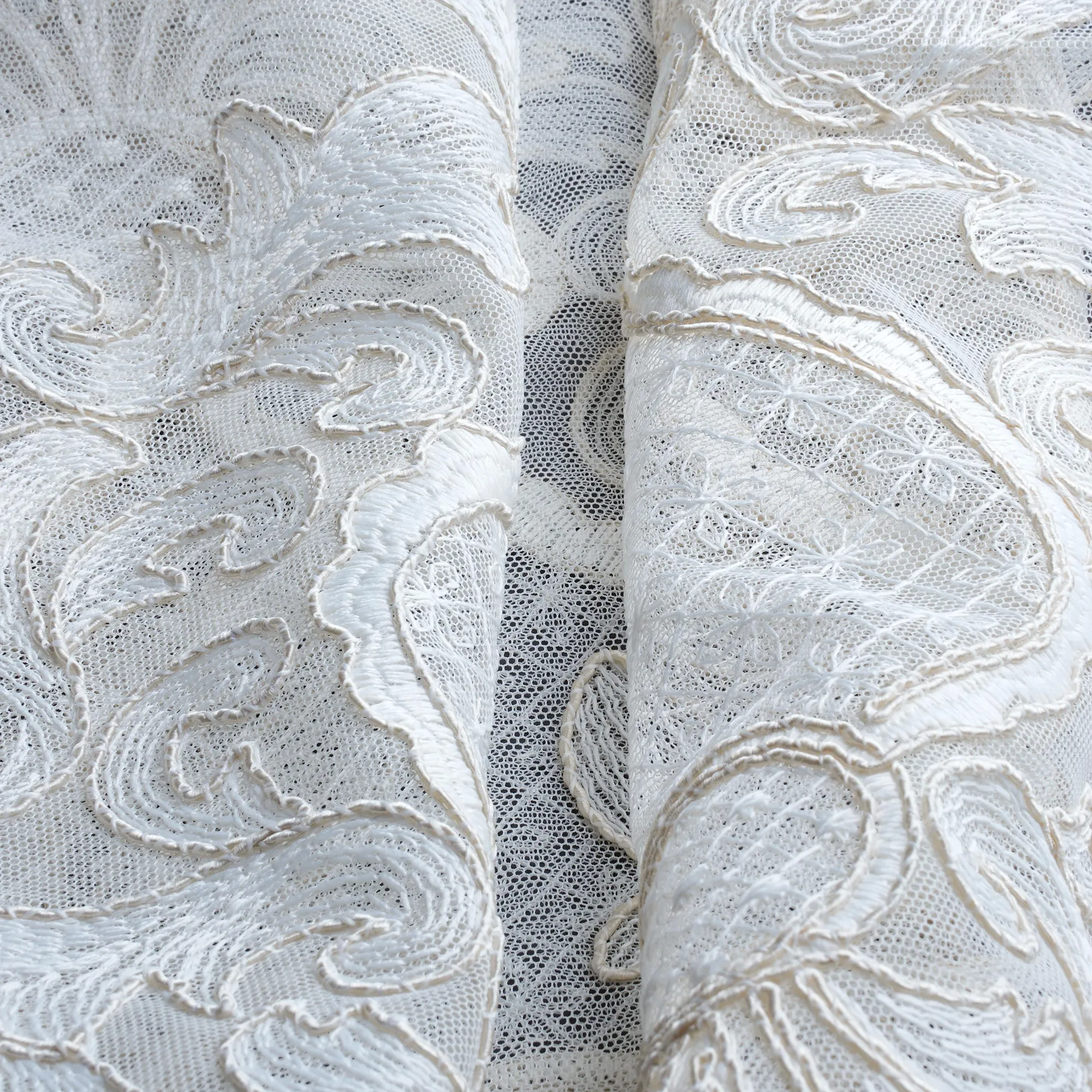
The final stage of the curtain manufacturing process involves manual hemming and pressing. Sarelli artisans fold the side hems to a double 3-centimeter width and secure the edges using a blind slip-stitch that remains invisible on the face fabric. The bottom hem receives a double 10-centimeter fold, incorporating lead weights weighing 25 grams each at the corners to ensure strict vertical alignment. Sheer Fabrics Production requires a different finishing technique, using a continuous lead-weighted tape sewn directly into a narrow 1-centimeter bottom hem. After stitching concludes, technicians press the finished curtains using a specialized vacuum ironing table set to 130 degrees Celsius to set the pleat memory.
Sarelli curtain production specifications and lead times
Sarelli Interiors Textiles maintains strict quantitative standards for all custom window treatments. The standard production timeline for bespoke curtains spans four to six weeks from the date of fabric allocation. Complex projects requiring hand-embroidered borders or custom dye lots extend the manufacturing schedule to eight weeks.
Labor allocation and material processing metrics
Clients visiting the Showroom can view physical examples of six heading styles and four lining options available for custom orders. The Sarelli workroom processes over 500 linear meters of fabric monthly for residential and commercial Projects across Europe. Sarelli project managers provide exact yardage calculations and labor quotations within 48 hours of receiving final window measurements. Customers can reach out via the Contact page to initiate a custom curtain commission.
The finished weight of the curtains dictates the required hardware specifications. A fully interlined pair of curtains measuring 300 centimeters wide by 280 centimeters long weighs approximately 18 kilograms. Sarelli technicians recommend motorized aluminum tracks rated for a 25-kilogram load capacity to ensure smooth operation. Installers mount the tracks using steel brackets spaced every 40 centimeters to prevent structural deflection under the fabric weight.
| Production Stage | Time Allocation (per pair) | Quality Tolerance | Primary Equipment |
|---|---|---|---|
| Fabric inspection | 1 hour | Maximum 2 defects per 50 linear meters | 3m x 2m backlit table |
| Cutting and pattern matching | 2 hours | 2mm pattern repeat variance | Juki lockstitch machine |
| Interlining and lock-stitching | 4 hours | 30cm vertical stitch spacing | Hand needles |
| Heading and pleating | 5 hours | 1mm pleat spacing variance | Waxed linen thread |
| Hand-finishing and pressing | 3 hours | Zero visible face stitches | Vacuum ironing table |