High-density fabric refers to textiles woven with a tightly packed arrangement of warp and weft yarns, typically exceeding 200 threads per square inch for cotton or 22 momme for silk. Sarelli Interiors Textiles classifies materials as high-density when the yarn packing factor prevents light transmission and increases the physical weight beyond 300 grams per square meter (GSM).
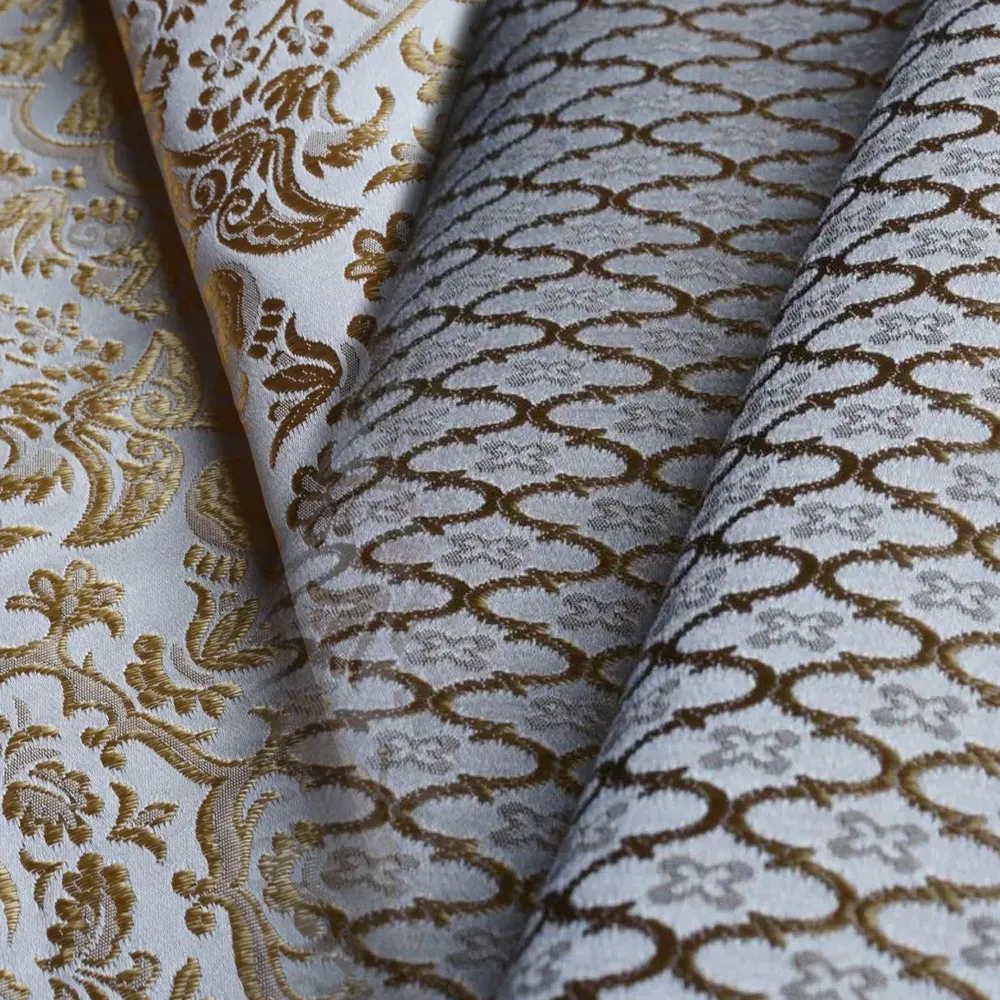
Textile manufacturers measure fabric density by counting the number of individual threads present within a standardized area. A standard commercial cotton weave contains 150 threads per square inch. A high density fabric constructed from cotton requires 200 to 800 threads per square inch. Sarelli Interiors Textiles produces high-density jacquards using specialized industrial looms. The Sarelli jacquard looms pack up to 300 threads per square inch to achieve maximum structural stability. The tight packing of yarns eliminates microscopic gaps in the textile surface.
Thread count thresholds for dense fabric categories
Different raw materials require specific numerical thresholds to qualify as dense fabric. The Fabrics Composition determines the maximum possible density based on the physical thickness of the individual yarns. Thick yarns reach maximum density at lower thread counts than fine yarns.
| Material Type | Standard Density Threshold | High-Density Threshold | Typical Weight (GSM) |
|---|---|---|---|
| Cotton Percale | 150 Threads Per Square Inch | 200+ Threads Per Square Inch | 120 - 200 GSM |
| Silk Charmeuse | 16 Momme | 22+ Momme | 95+ GSM |
| Linen Upholstery | 80 Threads Per Square Inch | 120+ Threads Per Square Inch | 350 - 500 GSM |
| Polyester Jacquard | 150 Threads Per Square Inch | 280+ Threads Per Square Inch | 300 - 600 GSM |
Cotton percale requires 200 threads per square inch to qualify as high-density. Silk textiles use the momme weight system, where 1 momme equals 4.340 grams per square meter. High-density silk must measure at least 22 momme, equating to 95.48 grams per square meter. Linen fibers possess a larger natural diameter than silk fibers. High-density linen achieves maximum structural density at 120 threads per square inch. A 120-thread-count linen produces a fabric weight of 350 grams per square meter. Sarelli Interiors Textiles tests all incoming raw materials to verify that the yarn diameter matches the required density specifications before weaving begins.
How high-density fabric impacts Martindale abrasion ratings
High-density fabric resists physical wear more effectively than loose weaves because the tightly packed yarns distribute friction across a larger surface area. Sarelli Interiors Textiles requires commercial upholstery fabrics to withstand 40,000 Martindale rub cycles, a standard achieved by increasing the warp thread density to 280 threads per square inch.
The Martindale test measures the abrasion resistance of interior textiles by rubbing worsted wool against the test material in a Lissajous figure trajectory. A loose weave fabric typically fails the Martindale test at 15,000 cycles because individual yarns snag and break under friction. A high-density fabric woven with 300 threads per square inch survives 50,000 to 100,000 Martindale cycles before showing visible yarn breakage. Commercial interior designers specify dense fabric for hotel lobbies and restaurant seating to guarantee a minimum lifespan of five years under heavy daily use. Sarelli Interiors Textiles documents the exact Martindale cycle count for every commercial upholstery textile.
Buyers can review the Sarelli Fabrics catalog to find specific Martindale ratings for each high-density textile. The Production Methods used by Sarelli Interiors Textiles involve tension-controlled weaving processes. Tension-controlled weaving maximizes yarn density without compromising the flexibility of the finished textile.
Sarelli Fabrics specifications for hospitality environments
Hospitality projects demand textiles that resist stretching, pilling, and tearing. High-density fabric prevents pilling because the tight weave restricts short fiber ends from migrating to the surface of the textile. Sarelli Interiors Textiles supplies dense fabric weighing 400 grams per square meter for commercial drapery applications. A 400 GSM fabric weight provides acoustic insulation and blocks 95 percent of external light without requiring a separate blackout lining.
Why high density fabric improves printed textile resolution
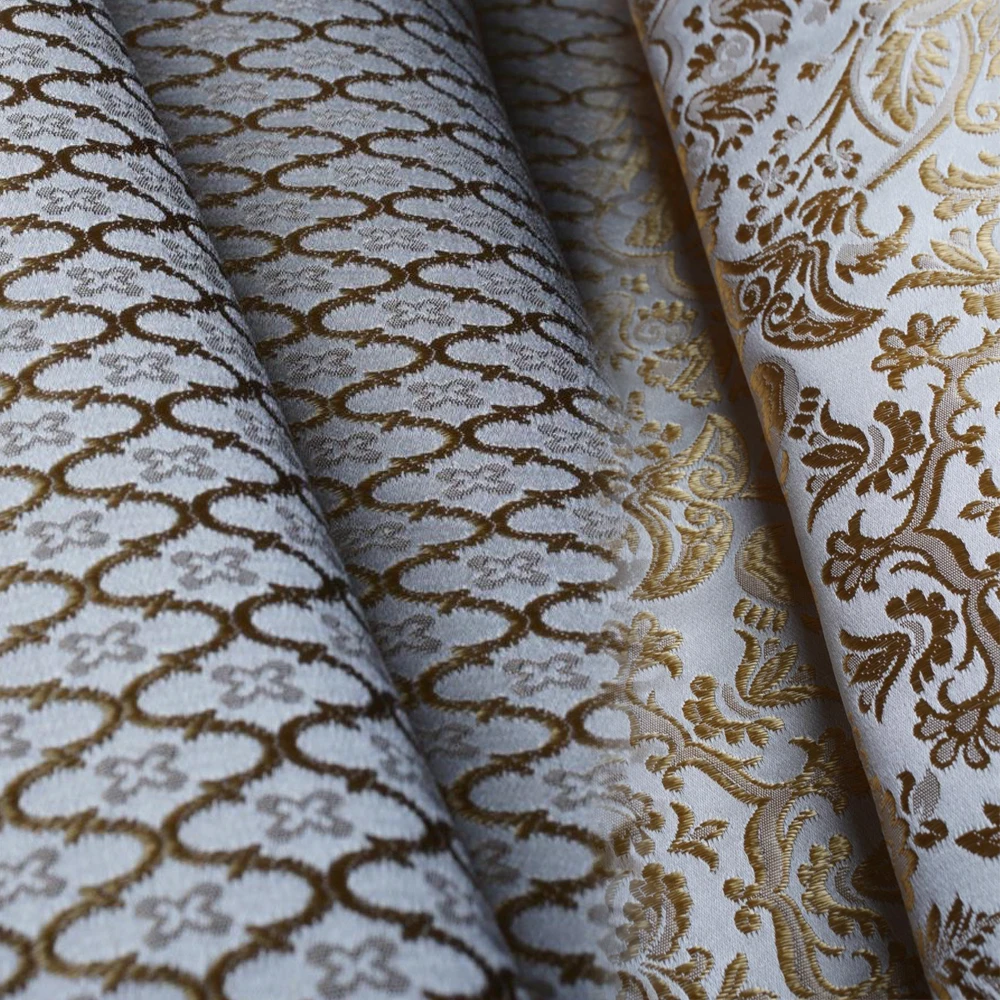
High density fabric provides a smooth, continuous surface that allows digital textile printers to deposit ink with exact precision. Sarelli Interiors Textiles uses dense fabric bases exceeding 250 threads per square inch for printed collections to ensure that intricate patterns render sharply without ink bleeding through the gaps between yarns.
Digital textile printing requires a stable substrate to achieve high-resolution imagery. A low-density fabric contains microscopic gaps between the warp and weft yarns. Ink drops fall into these gaps during the printing process. Ink falling into gaps creates blurred edges and muted colors on the final product. A high-density fabric presents a flat canvas that captures 100 percent of the deposited ink droplets. Sarelli Interiors Textiles prints custom designs on 300 GSM high-density cotton sateen to achieve photographic clarity for luxury residential Projects.
Weight and drape characteristics of dense fabric materials
The physical weight of a textile directly correlates with the density of the weave. High-density fabric falls into the medium-to-heavy weight category, typically ranging from 250 grams per square meter to 600 grams per square meter. The increased mass of dense fabric alters the draping behavior of the textile. Dense fabric forms rigid, architectural folds when used for window treatments. Sarelli Interiors Textiles recommends using a double-pinch pleat heading for curtains made from fabrics exceeding 300 GSM to control the volume of the heavy material.
Interior designers select high-density materials from the luxury textiles collection when a project requires structured curtains that hold a specific pleated shape. Conversely, Sheer Fabrics Production relies on low-density weaving techniques to create lightweight textiles. Sheer textiles weigh less than 100 grams per square meter and drape fluidly. Clients can observe the physical differences between high-density upholstery and low-density sheers by visiting the Sarelli Interiors Textiles Showroom.
To request physical samples of high-density jacquards or dense fabric prints, buyers should reach out via the Contact page.