What is viscose made from?
Viscose is a semi-synthetic textile fiber created by extracting cellulose from wood pulp, dissolving the extracted cellulose in sodium hydroxide and carbon disulfide, and extruding the resulting viscous liquid through a spinneret to form solid regenerated cellulose filaments. Manufacturers primarily source the required wood pulp from beech, pine, and eucalyptus trees.
To answer the question of what is viscose made from, textile engineers classify viscose as a regenerated cellulose fiber. The raw material originates as natural wood, but the manufacturing process alters the physical structure of the plant matter. Harvesting 100 kilograms of raw eucalyptus wood yields approximately 40 kilograms of usable cellulose pulp. Textile mills then process the purified cellulose pulp to create continuous filament yarns or staple fibers. The raw materials that viscose made from wood pulp requires include sodium hydroxide and carbon disulfide to break down the natural plant fibers.
Viscose composition and chemical structure
The exact viscose composition consists of pure cellulose polymers with the chemical formula (C6H10O5)n. The chemical structure of viscose matches the chemical structure of natural cotton, but the polymer chains in viscose are significantly shorter. Natural cotton fibers contain cellulose chains with 9,000 to 10,000 individual glucose units. Viscose fibers contain cellulose chains with 300 to 400 glucose units. The shorter polymer chains in the viscose composition result in a softer drape and lower tensile strength compared to natural cotton.
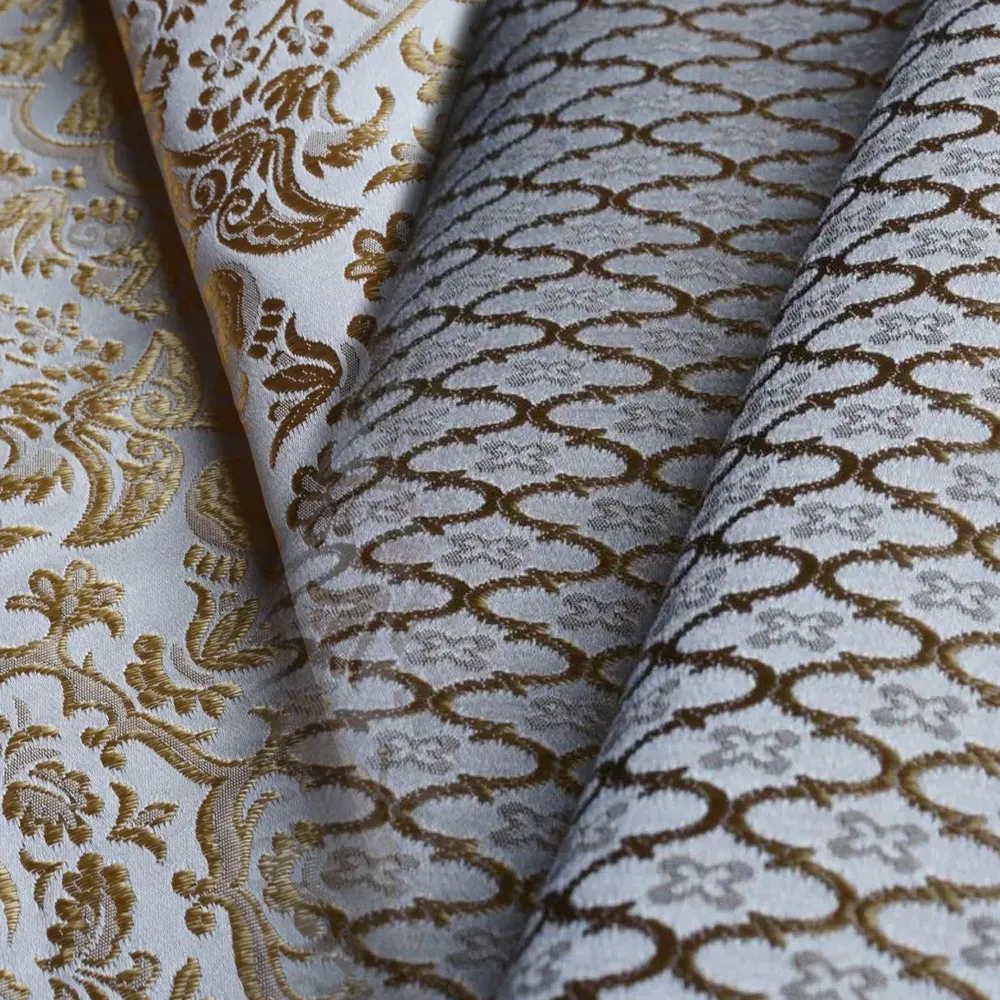
Sarelli Interiors Textiles frequently uses viscose yarns to achieve specific draping qualities in light curtains. Designers can review the exact material percentages for every textile in the Fabrics Composition index.
The viscose production process
The manufacturing of viscose requires a multi-step chemical process that transforms solid wood pulp into a highly viscous liquid state before spinning the liquid back into solid cellulose fibers. The entire transformation from raw wood pulp to finished textile fiber requires approximately 72 hours of continuous chemical processing.
The production cycle begins by steeping sheets of purified wood pulp in an 18 percent sodium hydroxide solution for two to four hours at 20 degrees Celsius. The sodium hydroxide swells the cellulose fibers and converts the wood pulp into alkali cellulose. Industrial presses squeeze the alkali cellulose to remove excess liquid until the pressed sheets weigh exactly three times the original dry pulp weight.
Shredding machines tear the pressed alkali cellulose into small crumbs. The alkali cellulose crumbs age in temperature-controlled silos for 24 to 48 hours at 30 degrees Celsius. The aging process deliberately degrades the cellulose polymer chains to achieve the correct final viscosity. Workers then add carbon disulfide to the aged crumbs in a rotating drum. The carbon disulfide reacts with the alkali cellulose to form sodium cellulose xanthate.
The sodium cellulose xanthate dissolves in a weak sodium hydroxide solution to create the thick, honey-like liquid known as viscose. The viscose liquid ripens for 24 hours before vacuum pumps remove trapped air bubbles. Extrusion machines force the degassed viscose liquid through a spinneret nozzle into an acid bath containing sulfuric acid, sodium sulfate, and zinc sulfate. The acid bath immediately neutralizes the alkalinity and coagulates the liquid streams into solid regenerated cellulose filaments. Readers can learn more about these industrial techniques in the Production Methods guide.
Viscose vs Lyocell production differences
Both viscose and lyocell originate from wood pulp, but the two fibers require entirely different chemical solvents for production. The traditional viscose process uses carbon disulfide, which requires complex exhaust recovery systems to capture chemical emissions. The lyocell process dissolves the wood pulp using N-Methylmorpholine N-oxide (NMMO).
The NMMO solvent used for lyocell allows manufacturers to operate a closed-loop production system. Lyocell manufacturing facilities recover and reuse 99.5 percent of the NMMO solvent in subsequent production batches. Traditional viscose manufacturing facilities recover approximately 70 to 80 percent of the carbon disulfide solvent.
Physical properties of viscose fabrics
Viscose fabrics exhibit high moisture absorbency, moderate tensile strength when dry, and a smooth surface texture that readily accepts chemical dyes for vibrant coloration. The physical properties of viscose make the fiber highly suitable for interior drapery applications that require a fluid drape and a subtle surface sheen.
Viscose fibers absorb up to 13 percent moisture by weight under standard atmospheric conditions. Natural cotton fibers absorb only 8 percent moisture by weight under identical conditions. The high moisture absorbency allows viscose fabrics to resist static electricity buildup in dry interior environments. However, the high absorbency also causes viscose fibers to swell significantly when exposed to liquid water.
| Physical Property | Viscose Fiber | Natural Cotton Fiber |
|---|---|---|
| Moisture Regain (at 65 percent relative humidity) | 11 to 13 percent | 7 to 8 percent |
| Dry Tenacity (grams per denier) | 2.0 to 2.6 | 3.0 to 5.0 |
| Wet Tenacity (grams per denier) | 1.0 to 1.5 | 3.3 to 6.0 |
| Polymer Chain Length (glucose units) | 300 to 400 | 9,000 to 10,000 |
The tensile strength of standard viscose fibers measures between 2.0 and 2.6 grams per denier in a dry state. When saturated with water, the tensile strength of viscose drops to 1.0 to 1.5 grams per denier. The 30 to 50 percent loss of strength in wet conditions requires careful handling during washing. Sarelli Interiors Textiles recommends dry cleaning for pure viscose drapery to prevent structural distortion.
Textile mills frequently weave viscose yarns into sheer fabrics with weights ranging from 80 to 150 grams per square meter (GSM). The Sheer Fabrics Production process relies on the fine denier of viscose filaments to create translucent window treatments that filter natural sunlight.
Viscose applications in Sarelli Interiors Textiles
Sarelli Interiors Textiles incorporates viscose into various residential and commercial textile products. The Sarelli Fabrics portfolio includes pure viscose satins, viscose-linen blends, and viscose-polyester jacquards. Blending viscose with synthetic polyester increases the dimensional stability of the final fabric. Blending viscose with natural linen adds a subtle luster to the matte linen fibers.
Interior designers frequently specify viscose-blend fabrics for luxury residential installations. The upholstery fabrics collection features multiple viscose options designed specifically for light-filtering curtains. Clients can view completed installations featuring viscose drapery in the Projects gallery.
Professionals seeking physical samples of viscose textiles can schedule an appointment at the Sarelli Showroom. For specific technical data sheets regarding the abrasion resistance or colorfastness of a particular viscose fabric, please reach out via the Contact page.