Bamboo silk rugs offer a 40 percent cost reduction compared to pure mulberry silk while maintaining a light-reflecting sheen, but bamboo silk fibers lose 50 percent of their tensile strength when wet and require specialized dry cleaning methods to prevent permanent pile distortion.

Evaluating bamboo silk rugs pros and cons requires understanding the manufacturing process behind the material. Bamboo silk originates as cellulose extracted from bamboo stalks. Manufacturers dissolve the bamboo cellulose in chemical solvents to create a viscous solution. Extruding the viscous solution through spinnerets produces regenerated cellulose fibers. The regenerated cellulose fibers mimic the 19 momme weight and visual luster of natural silk. Sarelli Interiors Textiles sources bamboo silk that costs approximately 450 EUR per square meter, compared to 800 EUR per square meter for natural mulberry silk. The lower price point makes bamboo silk an attractive option for large-scale residential installations.
| Bamboo Silk Pros | Bamboo Silk Cons |
|---|---|
| Costs 450 EUR per square meter (40 percent less than mulberry silk). | Loses 50 percent of fiber tensile strength when exposed to water. |
| Provides a 19 momme visual luster identical to natural silk. | Requires specialized dry solvent cleaning methods. |
| Accepts chemical dyes uniformly for vibrant color saturation. | Crushes permanently under heavy furniture weight. |
Suitable Rooms For Bamboo Silk Carpets
Sarelli Interiors Textiles recommends installing bamboo silk carpets exclusively in low-traffic areas like primary bedrooms or formal sitting rooms, because the delicate cellulose fibers crush under heavy footfall and show permanent wear patterns after enduring 10,000 mechanical abrasion cycles on standard testing equipment.
Placing a bamboo silk rug in an entryway or hallway guarantees rapid degradation of the pile structure. The regenerated bamboo fibers lack the natural crimp found in wool. Without natural crimp, bamboo silk cannot spring back after bearing the weight of human footsteps or heavy furniture. Sarelli Interiors Textiles tests bamboo silk blends using the Martindale abrasion method. Pure bamboo silk samples typically fail at 12,000 cycles. Blending bamboo silk with New Zealand wool increases the durability rating to 25,000 cycles. Clients exploring Rugs & Carpets often select a 70 percent wool and 30 percent bamboo silk ratio to balance durability with surface sheen. The Hand-Tufted Production process allows artisans to place the bamboo silk exclusively in the raised design motifs, protecting the delicate fibers within a dense wool background.
Cleaning Protocols For Bamboo Silk Fibers
Professional dry cleaning stands as the only approved maintenance method for bamboo silk rugs, because water exposure causes the cellulose fibers to swell by 20 percent, leading to irreversible yellowing, texture stiffening, and dye bleeding across the carpet foundation.
Spilling water on a bamboo silk carpet requires immediate action. Owners must blot the liquid using a white cotton towel without applying friction. Rubbing wet bamboo silk breaks the weakened fibers and creates a permanent fuzzy patch on the rug surface. Standard carpet cleaning machines inject hot water into the pile. Hot water extraction destroys bamboo silk by altering the molecular structure of the regenerated cellulose. Professional rug cleaners use low-moisture encapsulation or dry solvent methods to clean bamboo silk. Sarelli Interiors Textiles provides detailed maintenance guidelines for all Rug Materials. The maintenance guidelines specify that spot cleaning solutions must maintain a neutral pH of 7.0. Acidic or alkaline cleaners dissolve the dyes used in bamboo silk manufacturing.
Identifying Fake Bamboo Silk And Viscose Substitutes
Manufacturers frequently mislabel standard wood-pulp viscose as bamboo silk to command a 15 to 25 percent price premium, requiring buyers to verify the exact botanical origin of the cellulose through laboratory testing or certified manufacturer documentation before finalizing a purchase agreement.
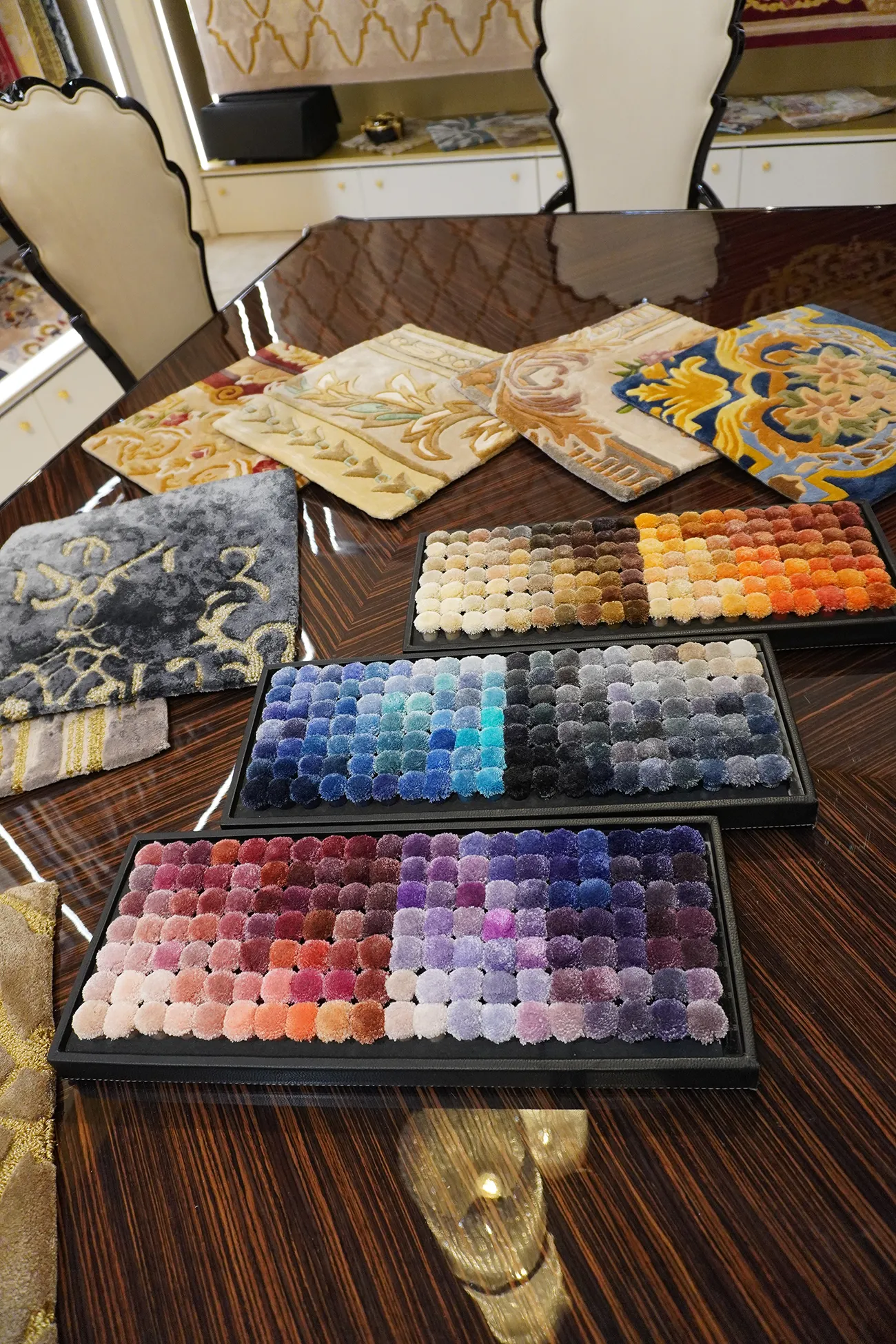
The textile industry classifies both bamboo silk and standard viscose as rayon. Standard viscose derives from pine or eucalyptus wood pulp. Bamboo silk derives specifically from bamboo grass pulp. The chemical extrusion process remains identical for both materials. Unscrupulous vendors substitute cheap wood-pulp viscose for bamboo silk to increase profit margins. Wood-pulp viscose exhibits a higher tendency to shed fibers during the first six months of use. Sarelli Interiors Textiles provides transparent sourcing documentation for all fibers. Clients can request physical material swatches through the Colors & Samples department. Comparing a verified bamboo silk sample against a standard viscose sample reveals that bamboo silk possesses a slightly softer hand-feel and a more uniform dye absorption rate. The bespoke rugs team assists clients in selecting the exact fiber composition for specific interior requirements.
Sarelli Interiors Textiles Bamboo Silk Specifications
Sarelli Interiors Textiles produces custom bamboo silk rugs featuring a density of 4.5 kilograms per square meter and a pile height of 12 millimeters, requiring a production lead time of 8 to 12 weeks for standard sizes shipped directly to the installation site.
The manufacturing facility applies a 100-line knot count for hand-knotted bamboo silk designs. A 100-line knot count equates to 64,500 knots per square meter. The high knot density secures the slippery bamboo fibers firmly within the cotton foundation warp. Buyers can view completed examples of high-density bamboo silk carpets within the luxury rugs collection. Sarelli Interiors Textiles ships custom rugs globally, with air freight delivery to European destinations taking 5 to 7 business days. Designers planning large residential installations can schedule an appointment at the Showroom to inspect the light-reflecting properties of bamboo silk under various lighting temperatures. To initiate a custom rug commission, clients should reach out via the Contact page. The Sarelli Interiors Textiles design team maintains a portfolio of successful bamboo silk installations within the Projects gallery.