Botanical silk is a manufactured cellulosic fiber derived from Forest Stewardship Council (FSC) certified wood pulp, engineered to replicate the visual luster and tactile softness of natural mulberry silk. Sarelli Interiors Textiles uses botanical silk to produce luxury floor coverings that offer a 60 percent reduction in water consumption compared to traditional silk production.
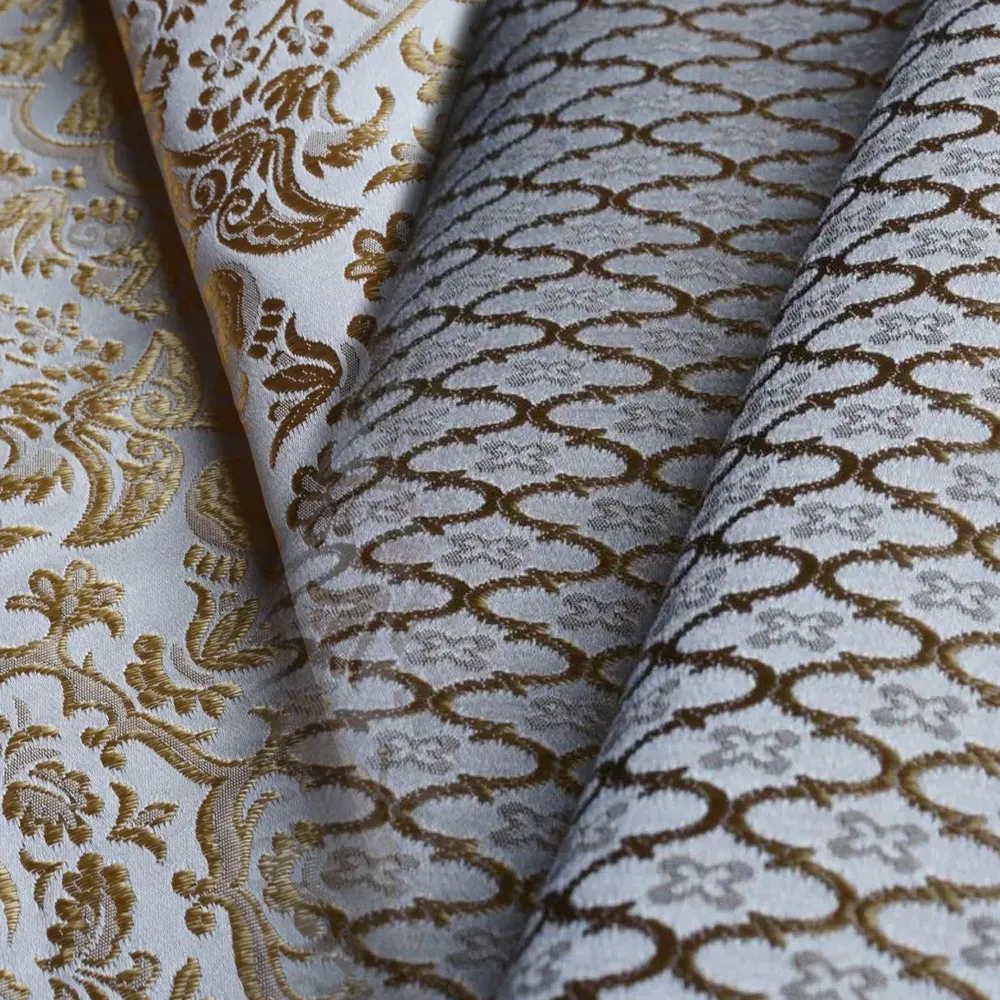
Botanical Silk Composition and FSC Pulp Source
Sarelli botanical silk contains 100 percent plant-derived cellulose extracted from sustainably managed eucalyptus and beech tree forests. The manufacturing process extrudes the cellulose pulp through spinnerets at a rate of 400 meters per minute to create continuous filament yarns. These continuous filament yarns possess a denier rating of 1.2 to 1.5 per filament.
The low denier rating gives botanical silk carpets a smooth surface texture that reflects light similarly to a 19-momme natural silk fabric. Sarelli Interiors Textiles sources all cellulose pulp from FSC-certified suppliers to guarantee zero contribution to ancient or endangered forest deforestation. Clients evaluating Rug Materials frequently select botanical silk for its combination of high light reflectance and verified sustainable origins.
Botanical Silk vs Natural Mulberry Silk Specifications
Natural mulberry silk requires the harvesting of silkworm cocoons, which takes approximately 35 days per production cycle. Botanical silk production bypasses the insect life cycle entirely, reducing the raw material lead time from 35 days to 48 hours. A standard botanical silk rug weighs between 3,500 and 4,500 grams per square meter (GSM).
Clients asking what is botanical silk often compare the material directly to natural mulberry silk regarding weight and cost. A natural silk rug of identical pile height weighs approximately 3,200 GSM. The botanical silk alternative costs between 450 EUR and 650 EUR per square meter. Natural mulberry silk carpets cost between 1,200 EUR and 2,500 EUR per square meter. The rugs and carpets collection features botanical silk options that provide the exact visual profile of natural silk at a 60 to 70 percent lower price point.
| Material Specification | Raw Source Material | Tensile Strength (g/denier) | Raw Material Lead Time | Average Cost per m² (EUR) |
|---|---|---|---|---|
| Botanical Silk | FSC Eucalyptus Pulp | 2.4 to 3.0 | 48 hours | 450 to 650 |
| Mulberry Silk | Silkworm Cocoons | 3.5 to 4.5 | 35 days | 1,200 to 2,500 |
| Traditional Viscose | Mixed Wood Pulp | 1.5 to 2.0 | 72 hours | 150 to 300 |
Botanical Silk vs Traditional Viscose Performance
Traditional viscose production consumes high volumes of water and relies on open-loop chemical processing. Botanical silk uses a closed-loop production system that recovers and reuses 99.5 percent of the organic solvents. Sarelli botanical silk fibers demonstrate a dry tensile strength of 2.4 to 3.0 grams per denier, whereas standard viscose fibers measure only 1.5 to 2.0 grams per denier.
The increased tensile strength allows botanical silk rugs to withstand 15,000 Martindale abrasion cycles before showing visible wear. Standard viscose rugs typically show wear after 8,000 Martindale abrasion cycles. Sarelli Interiors Textiles specifies botanical silk for high-traffic residential Projects because the closed-loop fiber resists crushing and matting significantly better than standard open-loop viscose.
Botanical Silk Application in Sarelli Hand-Tufted Production
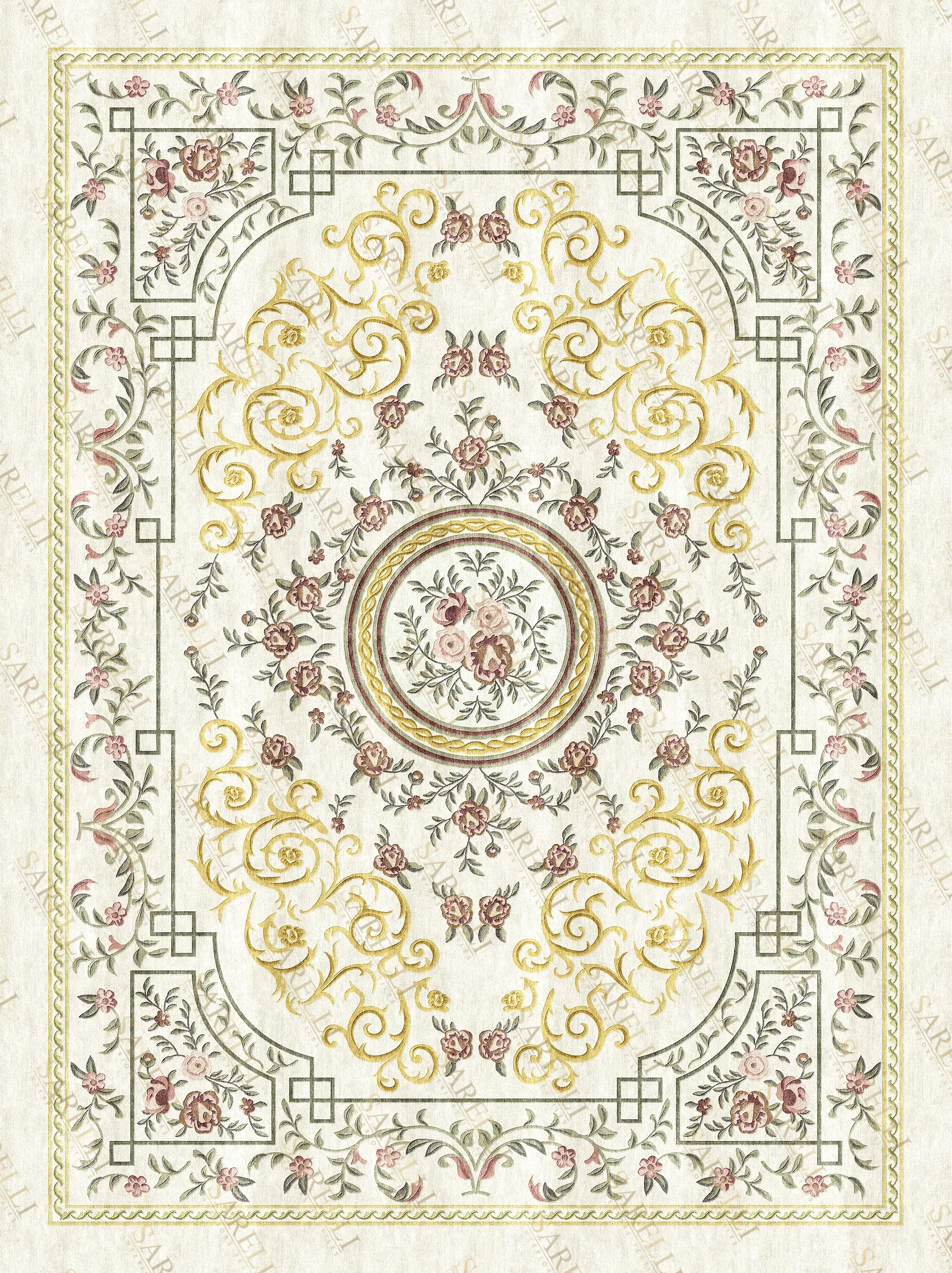
Sarelli Interiors Textiles incorporates botanical silk into custom floor coverings using specialized pneumatic tufting guns. The Hand-Tufted Production process inserts botanical silk yarn into a primary cotton canvas backing at a density of 80 to 120 tufts per square inch.
Artisans shear the botanical silk pile to an exact height of 12 millimeters to maximize light reflection. The 12-millimeter pile height creates a distinct shading effect when viewed from different angles, mimicking the directional pile of hand-knotted silk. Clients can specify exact pile heights ranging from 8 millimeters to 16 millimeters through the custom carpets service.
Color Application and Dyeing Metrics for Botanical Silk
Botanical silk fibers absorb reactive dyes at a rate 30 percent higher than natural wool fibers. The high absorption rate allows Sarelli Interiors Textiles to achieve deep saturation in dark hues like navy blue and emerald green. The dyeing process operates at 60 degrees Celsius for 120 minutes to ensure complete color penetration into the cellulose core.
The resulting botanical silk yarns achieve a colorfastness rating of 4.5 out of 5.0 on the ISO 105-B02 lightfastness scale. This high colorfastness rating prevents the botanical silk fibers from fading when exposed to direct sunlight in residential living spaces. Clients can review the exact color saturation levels by requesting physical swatches through the Colors & Samples department.
Maintenance and Cleaning Protocols for Botanical Silk Carpets
Botanical silk requires specific maintenance procedures to preserve the structural integrity of the cellulose fibers. Liquid spills on a botanical silk rug must be blotted within 60 seconds using a dry, undyed cotton cloth. Applying water or liquid carpet cleaners to botanical silk causes the cellulose fibers to swell by up to 40 percent in diameter.
The swelling alters the light reflection properties and creates permanent watermarks on the rug surface. Sarelli Interiors Textiles mandates professional dry cleaning using hydrocarbon solvents for all botanical silk floor coverings. Routine maintenance requires vacuuming the botanical silk carpet twice weekly using a suction-only vacuum cleaner without a rotating beater bar. The rotating beater bar generates excessive friction that can fracture the delicate cellulose filaments.
Showroom Availability and Lead Times for Botanical Silk Rugs
Sarelli Interiors Textiles maintains physical samples of botanical silk floor coverings at the company Showroom. Standard production lead times for a 6 square meter botanical silk rug require 8 to 10 weeks from final design approval. Complex geometric patterns featuring mixed materials like New Zealand wool and botanical silk require 10 to 12 weeks of production time.
Clients requiring expedited production schedules for specific Rugs & Carpets can submit inquiries directly to the Contact team to verify current loom availability. The production team updates loom schedules every 48 hours to provide accurate delivery estimates for all custom botanical silk orders.